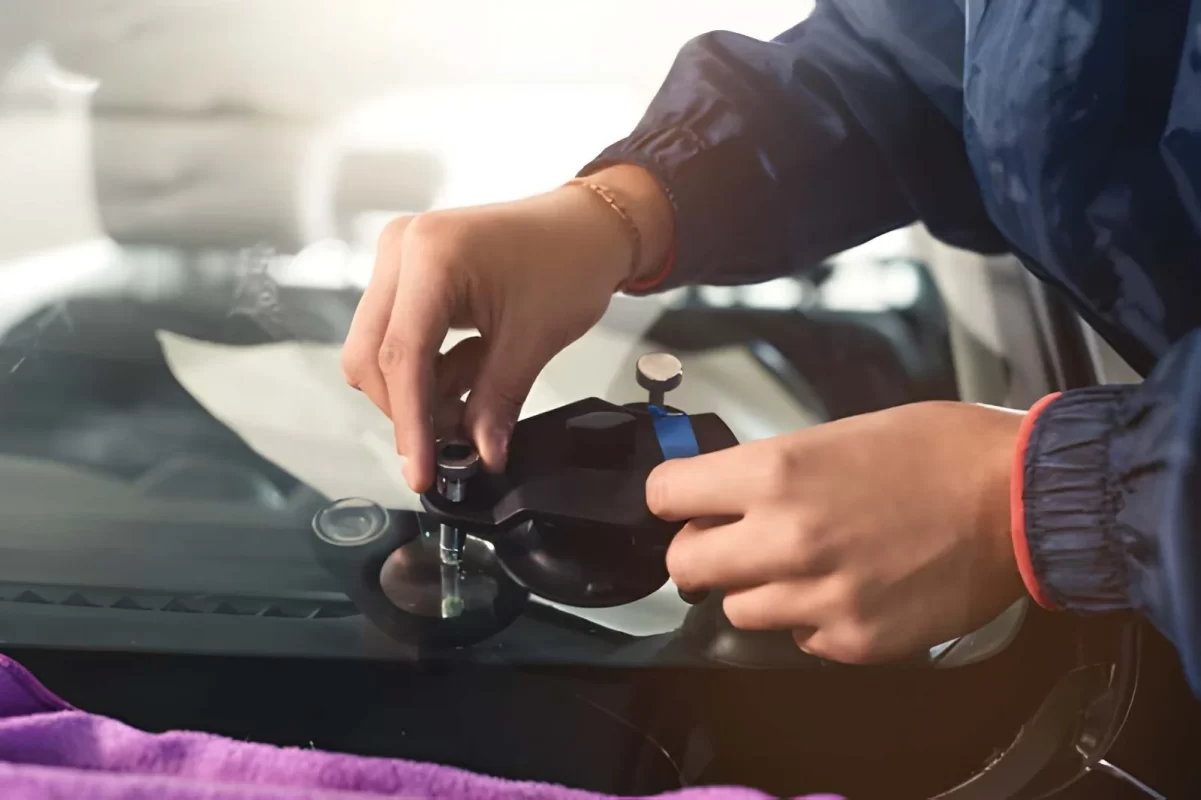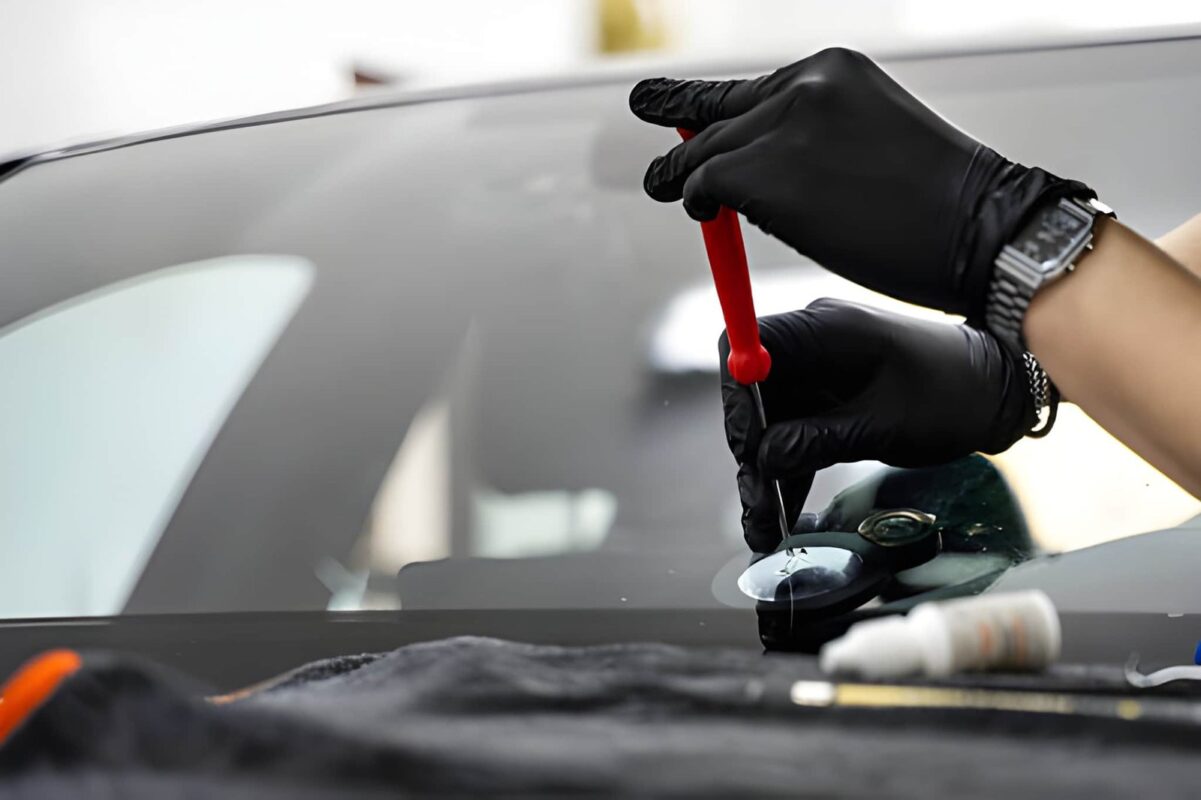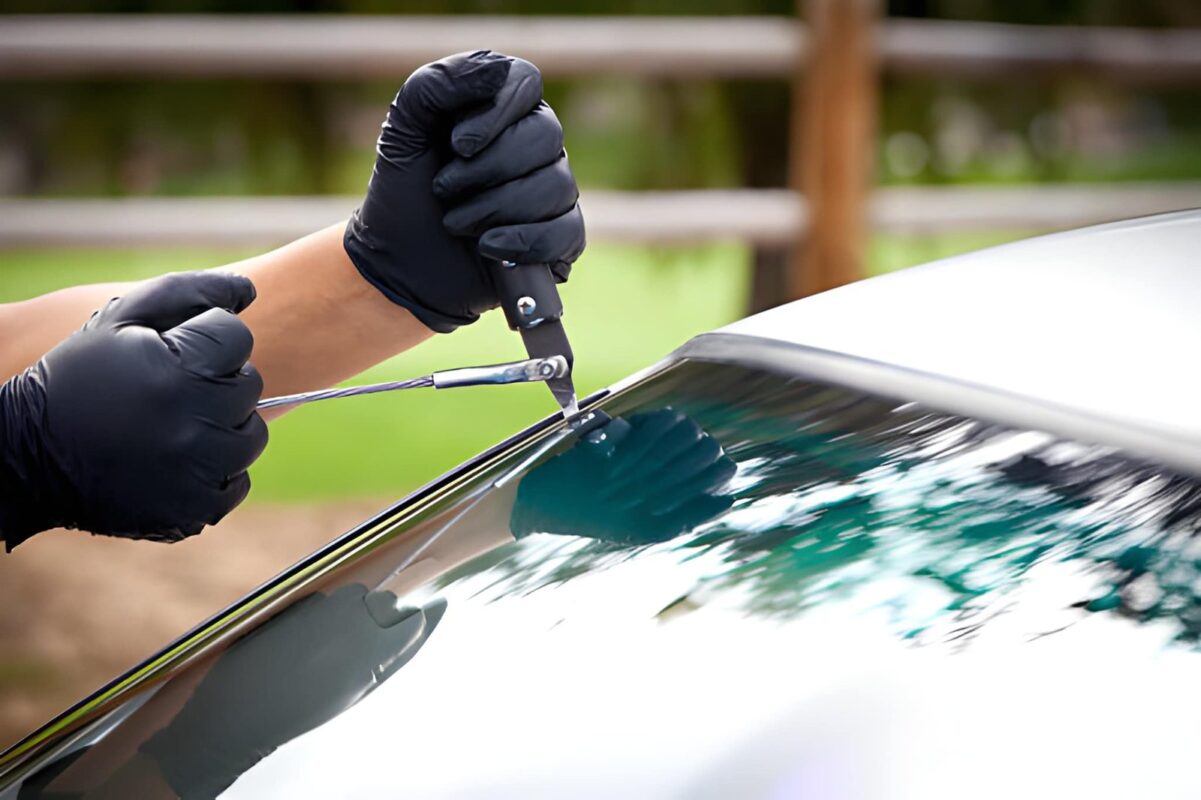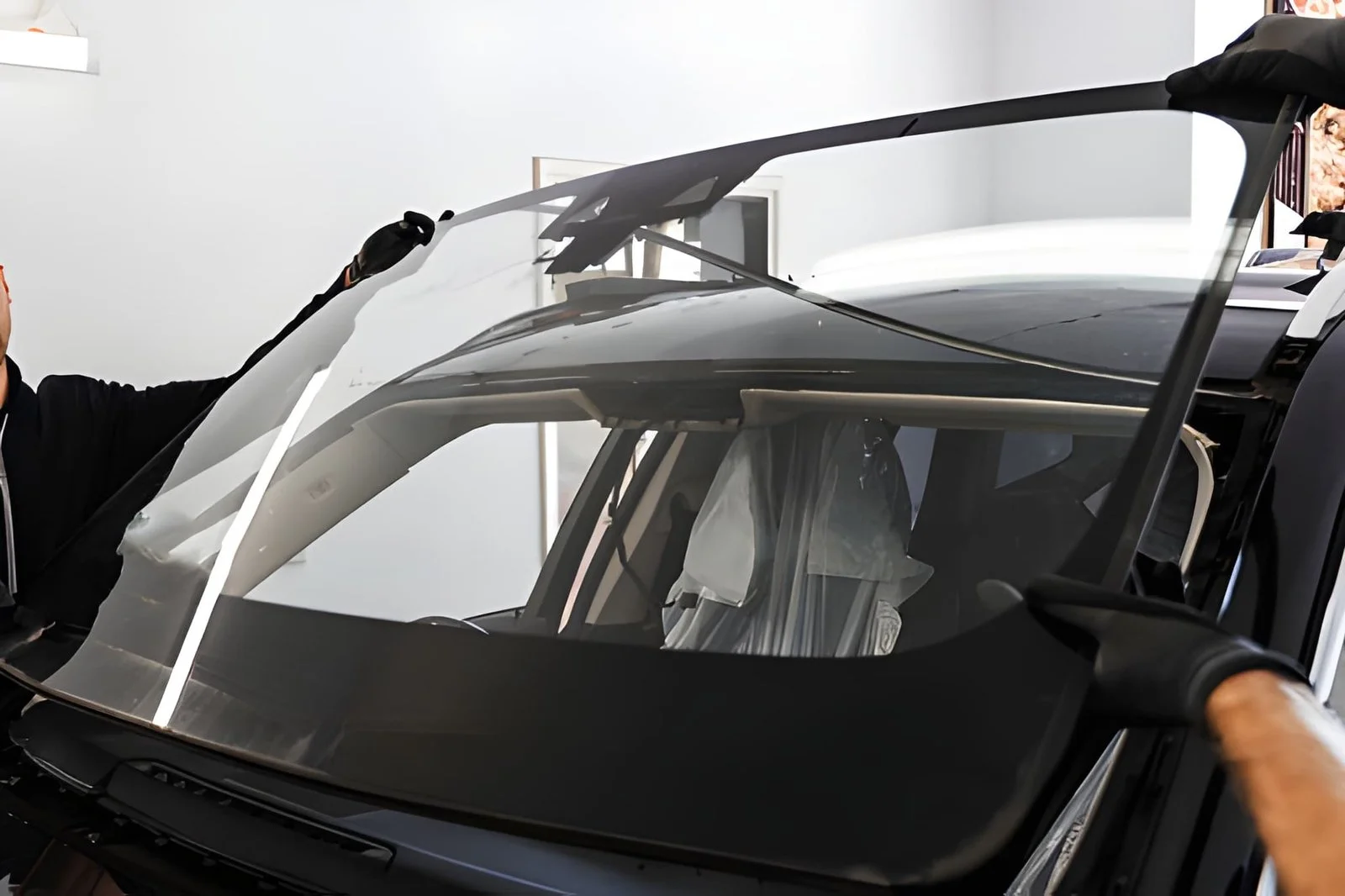
A damaged windshield can create safety concerns that go beyond visibility. While some chips and small cracks can be repaired, other types of damage may compromise the glass’s strength and require complete replacement. Understanding the warning signs can help drivers make informed decisions before the damage becomes more serious. When evaluating car glass replacement in New Jersey, vehicle owners should consider the damage’s size, location, depth, and impact on overall driving safety.
1. Check the Size of the Windshield Damage
The size of a chip or crack is one of the first factors technicians consider when assessing windshield damage. Small chips may be repairable, depending on their type and location. However, larger cracks can affect the windshield’s structural integrity and make repairs less effective.
Drivers should avoid assuming that every small-looking crack is harmless. Even minor damage can spread due to temperature changes, road vibrations, and everyday driving conditions. A professional inspection can help determine whether the affected area can be repaired safely.
2. Pay Attention to Cracks in the Driver’s Line of Sight
Cracks directly in front of the driver can interfere with visibility, especially when sunlight or headlights reflect against the damaged area. Even if the crack appears relatively small, its position may make repair unsuitable.
Technicians assess whether the damage obstructs the driver’s view and whether repairing it would restore adequate visibility. If the damaged area continues to affect the driver’s ability to see the road clearly, windshield replacement may be the safer option.
3. Identify Multiple Chips and Spreading Cracks
A windshield with several chips or cracks may have more extensive damage than a single isolated impact point. Multiple damaged areas can weaken the glass and make it difficult to restore its original performance through repairs.
Drivers should also watch for cracks that extend outward from an impact point or continue growing across the windshield. These changes can indicate that the damage is spreading. An inspection can help determine whether the windshield remains suitable for repair or needs replacement.
4. Understand the Depth of the Damage
Windshields generally consist of two layers of glass with a plastic interlayer between them. This construction helps hold the glass together when it breaks. However, damage that penetrates beyond the outer glass layer can create more serious concerns.
If a crack reaches the inner layer or affects the interlayer, a standard chip repair may not be sufficient. Technicians need to examine the damaged area carefully to understand its depth and determine the appropriate solution.
5. Look for Damage Near the Windshield Edges
Cracks near the edges of a windshield deserve particular attention because they can affect the glass’s overall stability. Edge damage may spread more easily due to stress on the surrounding glass and can compromise the windshield’s ability to remain securely supported.
When assessing Windshield Replacement Needs, technicians consider whether the damage reaches the edge, affects the bonding area, or creates structural concerns. In these situations, complete replacement may be recommended instead of attempting a repair.
6. Consider the Windshield’s Structural Role
A windshield does more than protect occupants from wind, rain, and road debris. It also contributes to the vehicle’s structural support and can help maintain the passenger compartment’s integrity during certain collisions.
A severely damaged windshield may not perform as intended during an accident. It can also affect proper passenger-side airbag deployment in some vehicles. Drivers should therefore have significant damage inspected promptly rather than relying only on whether the glass appears stable.
7. Check for ADAS and Sensor-Related Requirements
Many modern vehicles use advanced driver-assistance systems (ADAS) that rely on cameras and sensors positioned near the windshield. These systems may support features such as lane departure warnings, automatic emergency braking, and forward collision alerts.
When windshield replacement is necessary, some vehicles require camera or sensor calibration to help ensure these features operate correctly. Drivers should ask the service provider whether their vehicle requires calibration and how the process will be handled after installation.
8. Get a Professional Inspection Before Making a Decision
Although drivers can identify visible warning signs, determining whether a windshield can be repaired safely requires a proper assessment. A qualified technician can examine the damage’s size, location, depth, and overall condition before recommending repair or replacement.
When comparing car glass replacement, look for technicians who explain their findings clearly and recommend services based on the vehicle’s actual condition. A detailed inspection can help prevent unnecessary replacement while ensuring serious damage receives appropriate attention.
Conclusion
Windshield damage should never be judged by appearance alone. Crack size, depth, location, spreading patterns, edge damage, and vehicle safety requirements all influence whether repair or replacement is appropriate. Having the glass inspected by an experienced technician helps drivers understand their options and make decisions that support safe driving.
Schedule Windshield Replacement Service
If your windshield has extensive cracks, multiple impact points, or damage affecting visibility, professional assessment can help determine the right next step. Contact A Plus Auto Glass to discuss your vehicle’s glass condition and replacement requirements.
Call (201) 697-9868 or (201) 233-5160 to request a quote.
Frequently Asked Questions
A windshield may need replacement if it has large or spreading cracks, multiple impact points, deep damage, or cracks near the edges. Damage that affects the driver's visibility may also require replacement.