A small windshield chip can happen during an ordinary drive, whether from flying gravel, road debris, or a sudden temperature change. Although the damage may initially seem minor, vibrations, weather conditions, and everyday driving can cause it to spread. Knowing how to protect your vehicle’s glass and respond to damage early can help you avoid more extensive repairs.
For New Jersey drivers, changing seasonal temperatures, busy highways, and road construction can create challenges for maintaining auto glass. Following a few practical tips to protect your auto glass can help reduce the risk of damage and keep your windshield in better condition.
What Causes Windshield Chips and Cracks?
Understanding what damages automotive glass is the first step toward preventing it. Common causes include:
- Flying rocks and gravel: Tires can throw small stones toward your windshield, particularly when driving behind trucks or vehicles on loose surfaces.
- Sudden temperature changes: Rapid heating or cooling can put stress on glass, especially when a chip or crack is already present.
- Potholes and road vibrations: Impacts from uneven roads may cause existing windshield damage to spread.
- Hail and falling debris: Severe weather, tree branches, and other falling objects can damage windshields and windows.
- Existing chips and scratches: Minor damage can become more noticeable or develop into longer cracks if left unassessed.
While drivers cannot prevent every incident, recognizing these risks can help them make safer decisions on the road.
Tips to Protect Your Auto Glass
A few simple driving and maintenance habits can help reduce the likelihood of windshield damage.
- Maintain a Safe Following Distance
Avoid driving too closely behind trucks, construction vehicles, and cars traveling over loose gravel. Keeping a reasonable distance reduces your exposure to stones and other debris kicked up by the vehicles ahead.
- Adjust Your Driving to Road Conditions
Slow down when approaching potholes, uneven pavement, and construction zones. Drive cautiously on gravel roads, where loose stones can strike the windshield. Avoid sudden maneuvers that could cause unnecessary impacts.
- Manage Temperature Changes Carefully
During winter, allow your vehicle to warm up gradually and use the defroster according to the manufacturer’s instructions. Never pour hot water onto a frozen windshield. In warmer weather, avoid sudden temperature changes when practical, particularly if the glass already has visible damage.
- Park in a Protected Location
Whenever possible, park in a garage or covered space during hailstorms or severe weather. If covered parking is unavailable, avoid parking beneath trees with damaged branches or in locations exposed to falling debris.
- Inspect Your Windshield Regularly
Check your windshield for small chips, surface damage, and cracks, particularly after driving on highways or gravel roads. Early detection gives you an opportunity to have the damage assessed before it becomes more extensive.
How to Handle a Windshield Chip Before It Spreads?
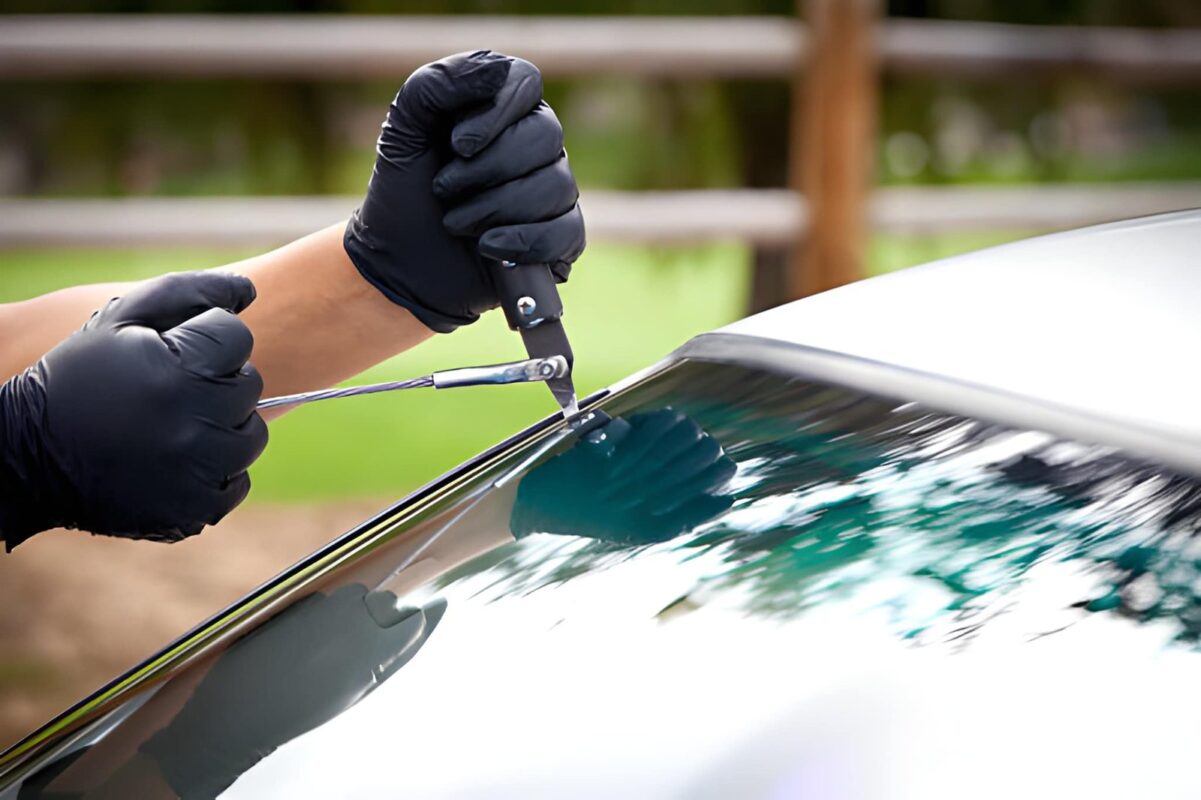
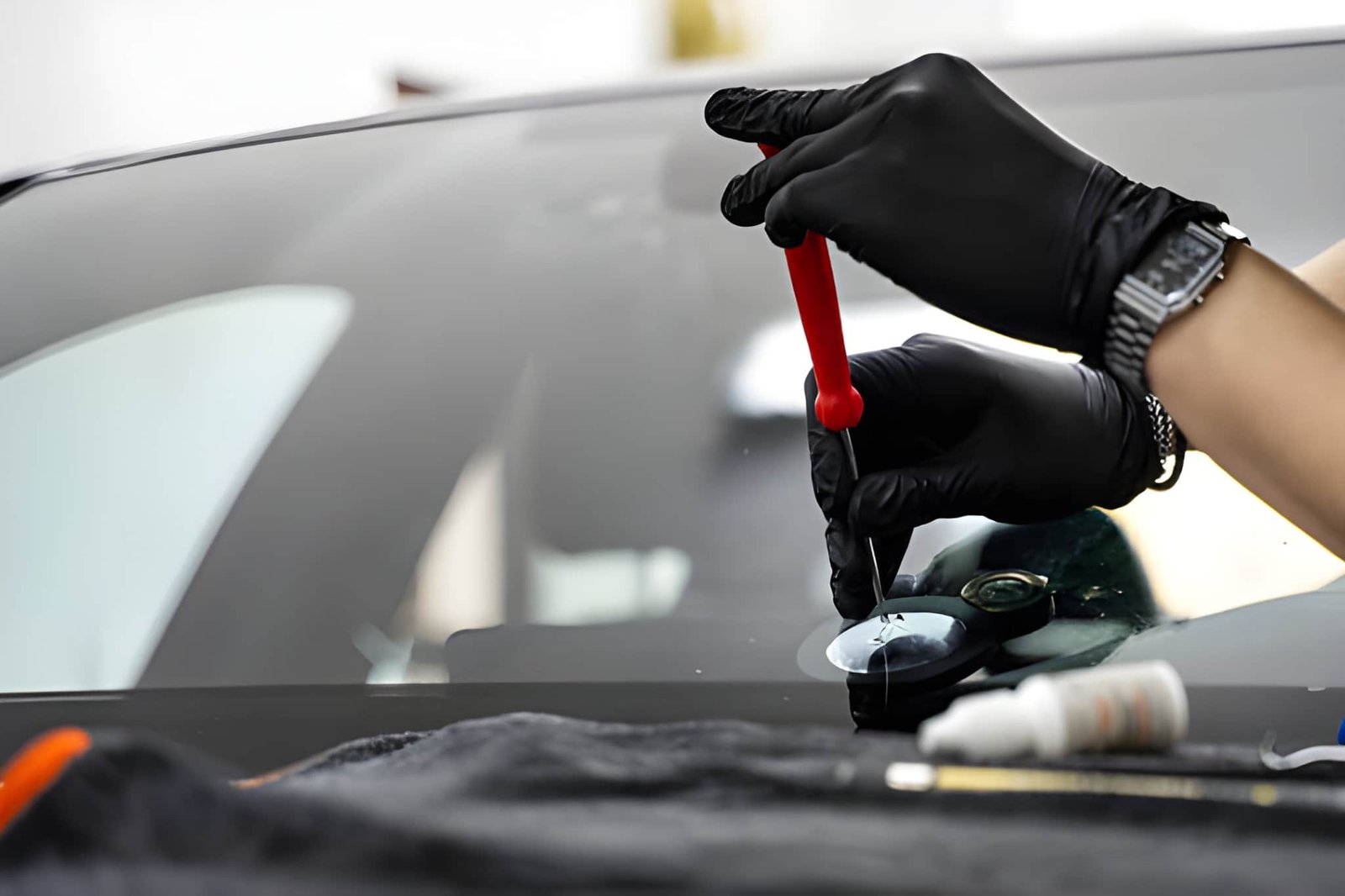
If you notice a chip, taking the right steps can help prevent unnecessary complications. Learn how to handle a windshield chip before it spreads by protecting the damaged area and arranging a professional auto glass assessment as soon as possible.
Step 1: Inspect the Damage Without Pressing the Glass
Look at the chip from a safe position and note its approximate size, shape, and location. Do not press on the damaged area or attempt to widen it to examine the damage.
Step 2: Protect the Damaged Area
Avoid unnecessary pressure, slamming doors, and abrupt temperature changes while arranging an assessment. Do not apply household adhesives or unapproved repair products, as they may interfere with professional repair.
Step 3: Arrange a Professional Assessment Promptly
A technician can determine whether the chip is suitable for repair or whether windshield replacement is necessary. The decision depends on factors such as the size, depth, location, and type of damage, as well as applicable repair guidelines.
Step 4: Avoid Delaying Necessary Repairs
A small chip may be repairable, but damage can spread over time. Scheduling an assessment promptly may help preserve the option of repairing the existing windshield instead of replacing it.
If the damage obstructs your view or compromises safe driving, avoid driving the vehicle until it can be handled safely.
When Does a Windshield Chip Need Repair or Replacement?
Not all windshield damage requires a complete replacement. The appropriate solution depends on the condition of the glass and whether the damage can be repaired safely.
Windshield repair may be an option when:
- The chip or crack meets applicable repair guidelines.
- The damage has not compromised the glass beyond what can be safely repaired.
- The location does not create an unacceptable visibility concern.
Windshield replacement may be necessary when:
- The crack is extensive or the glass has multiple areas of significant damage.
- The damage reaches a critical area or obstructs the driver’s view.
- The glass has sustained damage that cannot be safely repaired.
These are general considerations, not a definitive diagnosis. A qualified auto glass technician should evaluate the damage and recommend the appropriate solution for the vehicle.
Why Timely Auto Glass Repair Matters
Your windshield helps protect vehicle occupants from outside elements and contributes to the vehicle’s structural integrity. It also provides a mounting surface for cameras and sensors in some vehicles.
Driving with damaged glass can affect visibility, create glare, and make it harder to identify hazards. If a replacement is required, correct installation is important. Vehicles equipped with advanced driver-assistance systems may also need camera or sensor calibration, depending on the manufacturer’s requirements.
For drivers seeking auto glass repair in New Jersey, choosing a qualified provider can help ensure that the damage is assessed properly and the recommended repair or replacement is completed according to the vehicle’s requirements.
How to Choose an Auto Glass Repair Provider in New Jersey?
When comparing auto glass providers, consider more than the initial price. Ask about the repair process, replacement glass options, installation procedures, warranty terms, and any required calibration.
A reliable provider should explain whether the existing windshield can be repaired or whether replacement is recommended. Clear communication about the work involved can help you make an informed decision.
Whether you have a small rock chip or a growing crack, addressing the problem early can help prevent further complications.
Get Help with Windshield Damage from A Plus Auto Glass
A small windshield chip should not be ignored simply because it appears minor. Regular inspections, careful driving, and prompt professional assessment can help protect your vehicle’s auto glass and maintain clear visibility.
If your windshield has a chip or crack, A Plus Auto Glass can help you explore the next steps for your auto glass repair needs in New Jersey. Call (201) 697-9868 or (201) 233-5160 to discuss your windshield damage and ask about available repair options.
Frequently Asked Questions
Maintain a safe following distance, drive carefully on gravel and uneven roads, avoid sudden temperature changes, and inspect your windshield regularly. Have any new chips assessed promptly to help prevent further damage.
Avoid pressing on the damaged area, slamming doors, or exposing the windshield to sudden temperature changes. Arrange a professional assessment as soon as possible to determine whether the chip can be repaired.
Yes, some small chips can be repaired, depending on their size, depth, location, and type. A qualified auto glass technician can evaluate the damage and recommend repair or replacement.
Replacement may be necessary if the damage is extensive, affects the driver's visibility, reaches a critical area, or cannot be safely repaired. A technician can assess the windshield and recommend the appropriate option.
Drivers can contact A Plus Auto Glass to discuss windshield chips, cracks, and other auto glass concerns. Call (201) 697-9868 or (201) 233-5160 to ask about available services and the next steps for your vehicle.