A damaged windshield can affect visibility, driving comfort, and vehicle safety. While a small chip may be repairable, a larger crack or damage in a critical area may require a complete windshield replacement. Understanding the difference can help you make an informed decision and avoid delaying necessary service.
For drivers looking for auto glass repair in New Jersey, choosing between repair and replacement depends on the extent of the damage, its location, and the vehicle’s safety requirements. Understanding these considerations can help you determine the most appropriate solution for your vehicle.
What Is the Difference Between Windshield Repair and Replacement?
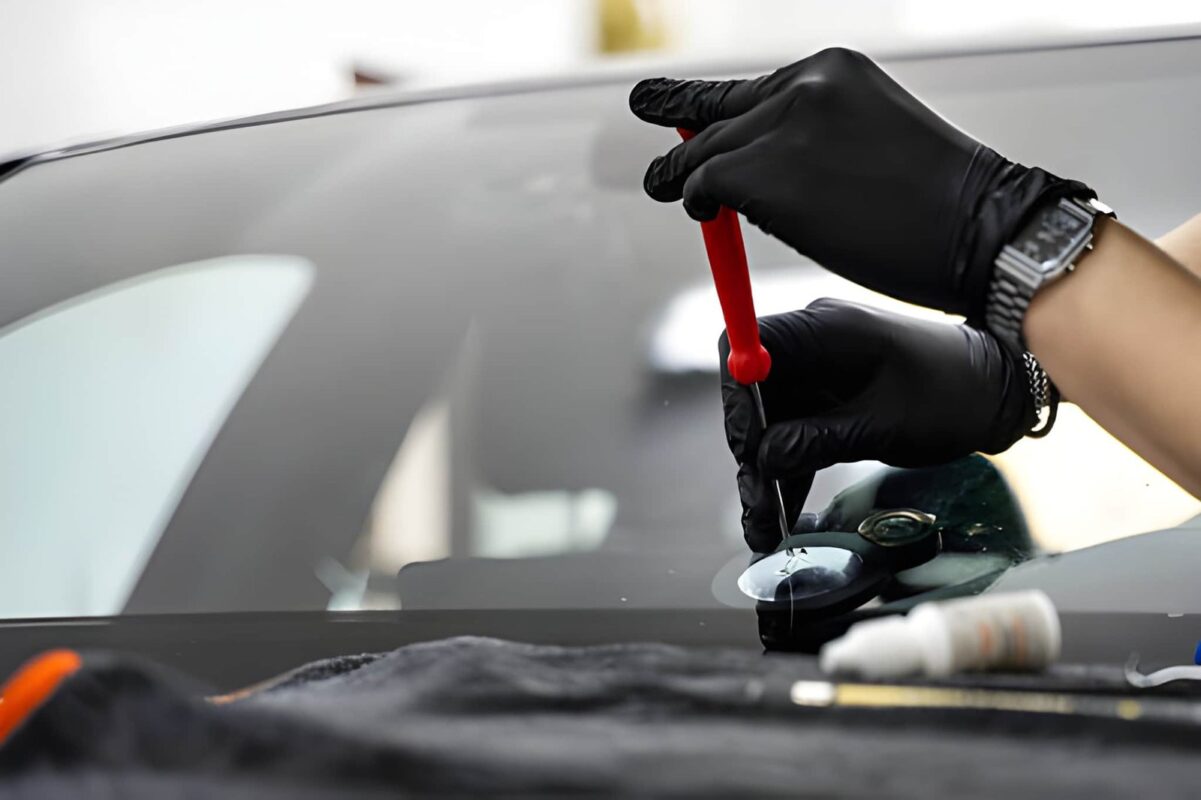
Windshield repair involves treating certain types of chips and cracks without removing the entire windshield. A technician typically uses specialized resin to fill eligible damage, helping restore the glass’s integrity and improve its appearance. Some damage may remain slightly visible after the repair.
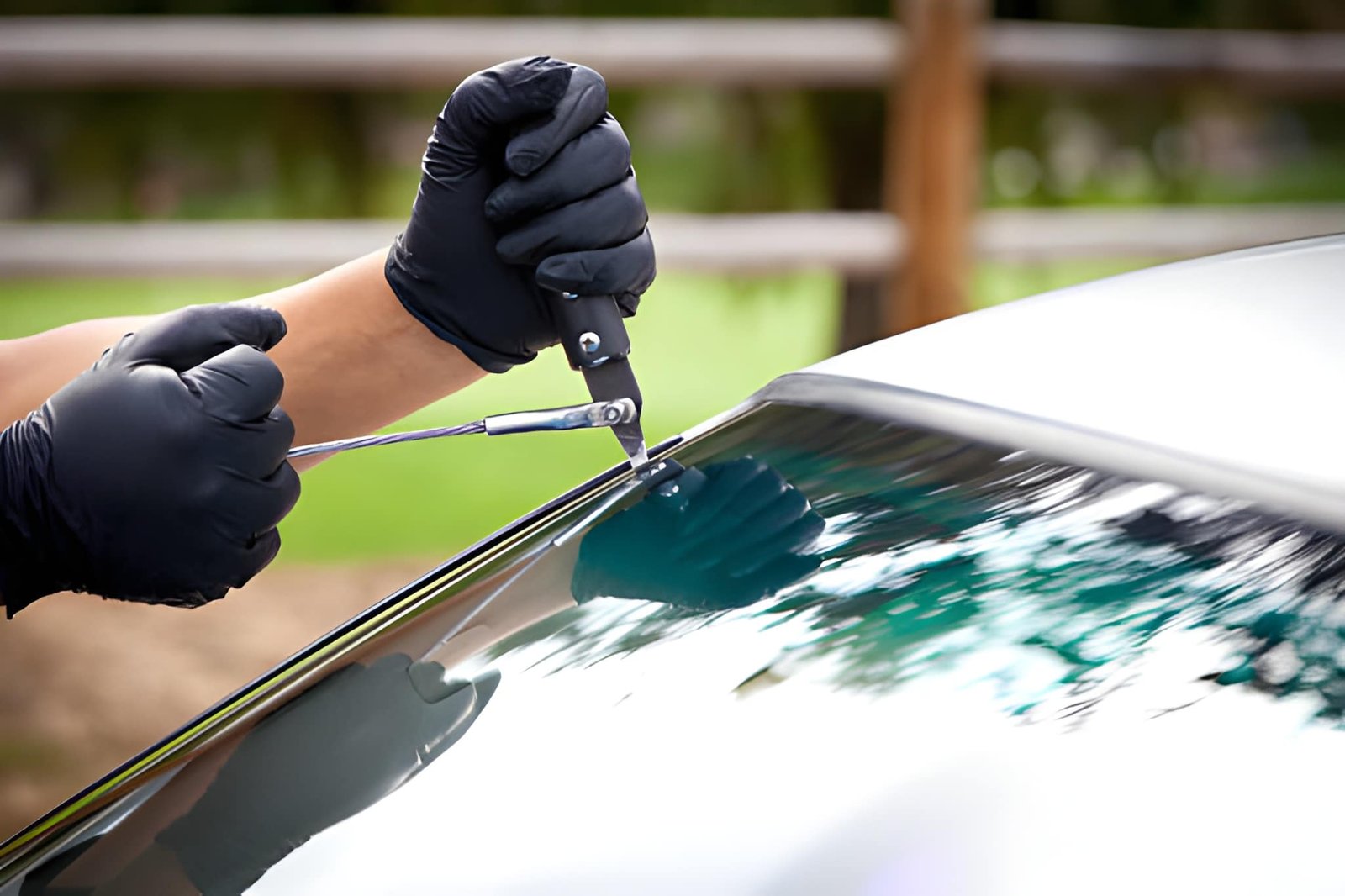
Windshield replacement involves removing the damaged windshield and installing new glass. This may be necessary when the damage is too extensive to repair safely or when its location compromises visibility or structural performance.
Neither option is automatically better in every situation. A professional assessment can help determine whether the existing windshield can be repaired or should be replaced.
Factors Affecting Auto Glass Repair or Replacement
Several factors affecting auto glass repair or replacement determine the most suitable solution. These include the size, depth, and location of the damage, the condition of the glass, and the vehicle manufacturer’s recommendations.
1. Size and Type of Damage
The size and shape of a chip or crack are important considerations. Small chips and certain short cracks may qualify for repair, while extensive cracks, multiple impact points, or severe damage may require replacement.
The type of damage also matters. A bullseye chip, a star-shaped break, and a long crack may require different assessments. A technician can evaluate the damage and determine whether it meets applicable repair guidelines.
2. Location of the Damage
Where the damage appears can be just as important as its size. A chip located in the driver’s primary viewing area may create visibility concerns, even if it is relatively small.
Damage near the edge of the windshield can also affect the glass’s structural performance. In these situations, replacement may be recommended instead of repair.
3. Depth of the Chip or Crack
Windshields are made of laminated glass, which contains layers designed to help hold the glass together if it breaks. If damage extends through multiple layers or compromises the glass beyond acceptable repair limits, replacement may be necessary.
A professional technician can assess the depth and severity of the damage to determine whether repair is appropriate.
4. Age of the Damage
A chip that has been left untreated may collect dirt or moisture, making a successful repair more difficult. Temperature changes, road vibrations, and everyday driving can also cause the damage to spread.
Having a new chip inspected promptly may help preserve repair options and reduce the likelihood of more extensive damage.
5. Vehicle Type and Safety Features
When deciding between windshield repair and replacement, consider your vehicle’s design and built-in safety features. Some newer vehicles use advanced driver-assistance systems (ADAS), including lane-keeping assistance and forward collision warning, which may rely on cameras or sensors mounted near the windshield. If the windshield is replaced, certain systems may require calibration according to the vehicle manufacturer’s procedures to help ensure they function correctly.
The windshield also contributes to the vehicle’s structural integrity and supports the proper operation of certain safety systems. Correct installation is therefore an important consideration when replacement is recommended.
6. Cost and Warranty Considerations
The cost of repair and replacement varies depending on the extent of the damage, vehicle model, glass type, and any additional work required. Repair may be less expensive when the damage is eligible, but replacement may be necessary when the windshield cannot be safely repaired.
Before proceeding, ask the service provider about the estimated cost, warranty coverage, replacement glass options, and any applicable calibration charges. Your auto insurance policy may also provide coverage, depending on your deductible and policy terms.
What Are the Professional Windshield Repair Benefits?
The professional windshield repair benefits may include preserving the original windshield, reducing repair costs, and helping stabilize eligible chips or cracks. When the damage meets applicable repair guidelines, professional service can also help improve the appearance of the damaged area.
Helps Preserve the Existing Windshield
Repairing eligible damage allows you to keep the original windshield rather than replacing it unnecessarily. This may be a practical option when the damage is minor and does not compromise safety.
May Help Prevent Further Damage
A professional repair can help stabilize eligible chips and certain cracks. Addressing damage early may reduce the likelihood of it spreading, although no repair can guarantee that the damage will never develop further.
Can Reduce Repair Costs
When a windshield qualifies for repair, the process is generally less expensive than a full replacement. The final cost depends on the damage and the vehicle, so obtaining an assessment can help you understand your options.
May Require Less Time Than Replacement
Eligible chip repairs are often completed more quickly than full windshield replacements. Actual service time depends on the damage, the repair method, and the provider’s procedures.
May Improve Visibility
Repairing a chip can improve the appearance of the damaged area and reduce some visual distractions. However, because some damage may remain visible, a technician should determine whether repair will provide an acceptable result for the location involved.
When Should You Choose Windshield Replacement?
Although repair can be suitable for certain types of damage, replacement may be the safer option when the windshield cannot be restored to an acceptable condition.
Consider a professional assessment if:
- The crack is long or continues to spread.
- Damage obstructs the driver’s primary field of vision.
- Multiple chips or cracks compromise the windshield.
- The damage extends to the edge of the glass.
- The glass has sustained damage that exceeds repair guidelines.
- The vehicle manufacturer’s requirements call for replacement.
These are general considerations rather than a definitive diagnosis. A qualified technician should evaluate the damage before recommending a solution.
If your windshield damage significantly affects visibility or the glass appears unstable, avoid driving until the vehicle can be handled safely.
How to Choose an Auto Glass Repair Provider in New Jersey?
When comparing providers for auto glass repair New Jersey, look for a company that assesses windshield damage carefully and explains the available options before recommending a service.
Consider these factors when comparing providers:
- Experience and qualifications: Ask about the technician’s experience with your vehicle type and the specific glass damage.
- Clear recommendations: The provider should explain why repair or replacement is appropriate after assessing the damage.
- Glass quality: If replacement is necessary, ask about the type and specifications of the replacement glass.
- Installation procedures: Confirm that the windshield will be installed according to applicable vehicle and manufacturer requirements.
- ADAS calibration: If your vehicle has windshield-mounted cameras or sensors, ask whether calibration is required and how it will be handled.
- Warranty information: Review the terms covering the repair or replacement work.
- Transparent pricing: Request an estimate that explains the service, materials, and any additional charges.
Taking time to ask these questions can help you compare providers and understand what the service involves.
Why You Should Not Delay Auto Glass Service
Putting off an assessment may allow a small chip to develop into a larger crack. Changes in temperature, driving over rough roads, and ordinary vehicle vibrations can contribute to the spread of existing damage.
Delaying service can also limit your repair options. A chip that may have qualified for repair initially could eventually require replacement if it grows or compromises a critical area.
If you notice new damage, arrange an assessment as soon as practical. A technician can explain whether repair is possible, whether replacement is necessary, and what the process will involve.
Get Help with Your Auto Glass from A Plus Auto Glass
Choosing between repair and replacement starts with understanding the condition of your windshield. Factors such as the size, depth, and location of the damage, along with your vehicle’s safety requirements, can all influence the decision.
If you have a chipped or cracked windshield, A Plus Auto Glass can discuss your auto glass concerns and the options available for your vehicle. Call (201) 697-9868 or (201) 233-5160 to ask about your windshield damage and the next steps for service.
Frequently Asked Questions
The decision depends on the chip's size, depth, location, and severity. Some small chips can be repaired, while damage in the driver's viewing area, near the windshield's edge, or beyond repair guidelines may require replacement. A technician can evaluate the glass and recommend the appropriate option.
Important factors include the size and type of damage, its location, the depth of the chip or crack, the age of the damage, the vehicle's safety features, and the manufacturer's recommendations. Cost and insurance coverage may also influence your decision.
Professional repair of eligible damage may help stabilize a chip, preserve the existing windshield, reduce repair costs, and improve the appearance of the damaged area. It may also take less time than replacement. Results depend on the type and severity of the damage.
Yes. Temperature fluctuations, road vibrations, and everyday driving conditions can cause a small chip to develop into a larger crack. Having the damage assessed promptly may help prevent further deterioration.
Some vehicles require advanced driver-assistance system calibration after windshield replacement because cameras or sensors may be mounted near the glass. Requirements vary by vehicle, so ask your provider to check the manufacturer's specifications.
You can contact A Plus Auto Glass to discuss a chipped or cracked windshield and ask about available service options. Call (201) 697-9868 or (201) 233-5160 to discuss your vehicle's auto glass needs.