


Windshield cracks and chips can happen unexpectedly, whether you’re driving on a highway, navigating a construction area, or dealing with sudden temperature changes. While some damage is unavoidable, understanding what causes it can help drivers take practical steps to protect their vehicle.
Knowing when to seek auto glass repair in New Jersey can also help prevent minor windshield damage from becoming a larger and more expensive problem. With regular inspections and a few simple driving and maintenance habits, drivers can reduce some common risks associated with windshield damage.
What Causes Windshield Cracks and Chips?
Windshield damage can result from several environmental and driving conditions. Some of the most common causes include:
- Flying rocks and road debris
- Gravel and loose materials on construction roads
- Sudden temperature changes
- Severe weather conditions
- Vehicle vibrations and road impacts
- Poor installation or existing windshield stress
- Collisions or other accidents
Even a small object can create a chip when it strikes the glass at sufficient speed. If the damage is not addressed, a chip may eventually develop into a larger crack.
How Does Road Debris Damage a Windshield?
Road debris is one of the most common causes of windshield chips and cracks. Gravel, small stones, and other loose materials can be thrown into the air by passing vehicles.
The risk can be higher when driving behind trucks or vehicles carrying loose materials. Maintaining a reasonable following distance gives debris more time to fall away from your vehicle rather than striking the windshield.
Drivers should also use extra caution on roads near construction zones or areas where loose gravel is present.
Can Temperature Changes Cause Windshield Cracks?
Yes. Glass expands and contracts as its temperature changes. Rapid temperature differences can place additional stress on a windshield, particularly if the glass already has a small chip or crack.
For example, pouring very hot water onto an extremely cold windshield can create a sudden temperature change. Using the vehicle’s defrost system gradually is a safer approach for dealing with frost or ice.
Existing damage should receive particular attention during periods of extreme heat or cold because temperature changes may cause cracks to spread.
How Can Poor Windshield Installation Contribute to Damage?
A windshield that has not been installed correctly may be more vulnerable to certain stresses. Issues with alignment, bonding, or sealing can affect how the glass sits within the vehicle.
If you notice unusual wind noise, water leaks, visible gaps, or other problems following a windshield replacement, have the installation inspected by a qualified professional.
Proper installation helps ensure the windshield is securely positioned and appropriately sealed.
What Driving Habits Can Increase the Risk of Windshield Damage?
Certain driving conditions can increase exposure to objects that may strike the windshield.
For example, driving closely behind large trucks can increase the chance of encountering rocks and debris. Driving at high speeds over roads with loose gravel can also increase impact risk.
Maintaining a safe following distance, reducing speed when appropriate, and paying attention to road conditions can help minimize unnecessary exposure.
What Does It Mean to Prevent Windshield Cracks and Chips?
To Prevent Windshield Cracks and Chips, drivers can focus on reducing avoidable risks and addressing small problems before they become more serious.
Useful habits include:
- Maintain a safe distance from trucks and vehicles carrying loose materials
- Drive carefully through construction and gravel areas
- Avoid sudden temperature changes
- Inspect the windshield regularly
- Keep the windshield clean
- Replace worn windshield wipers
- Avoid using damaged or unsuitable cleaning tools
- Address chips and cracks promptly
These measures cannot guarantee that windshield damage will never occur, but they can help reduce some common causes and limit the progression of existing damage.
Why Should Small Chips Be Addressed Quickly?
A small chip may appear harmless, but changes in temperature, road vibration, and additional impacts can cause it to spread.
Once a crack becomes longer or reaches a critical area of the windshield, the repair options may become more limited. Prompt professional evaluation can help determine whether the damage may be repaired or whether windshield replacement should be considered.
The sooner damage is assessed, the easier it may be to prevent the problem from becoming more extensive.
How Does Regular Windshield Cleaning Help?
Keeping your windshield clean supports visibility and makes it easier to identify damage.
Dust, dirt, road film, and other buildup can make small chips or cracks harder to notice. Regular cleaning also helps ensure that windshield wipers can operate more effectively.
Use a clean, soft microfiber cloth and an appropriate glass-cleaning product. Avoid abrasive materials that could scratch the surface.
Why Should You Maintain Your Windshield Wipers?
Worn wiper blades can leave streaks, reduce visibility, and potentially drag dirt or debris across the glass.
Drivers should inspect their wipers periodically for cracking, splitting, or other signs of wear. Replacing damaged blades can help maintain clearer visibility and reduce unnecessary friction against the windshield.
It is also helpful to keep the wiper area free from leaves, dirt, and other debris.
What Should You Do If a Chip or Crack Appears?
If you notice new windshield damage, avoid ignoring it simply because it appears small.
Instead:
- Inspect the damage without touching or pressing on it.
- Avoid placing unnecessary stress on the damaged area.
- Keep the windshield clean.
- Arrange a professional inspection as soon as practical.
- Follow the technician’s recommendation regarding repair or replacement.
A professional can assess factors such as the size, location, depth, and type of damage before recommending the appropriate solution.
When Does a Windshield Crack Require Replacement?
Not every crack automatically means the entire windshield needs to be replaced. Some types of damage may be repairable depending on their characteristics and location.
Replacement may be considered when damage is extensive, reaches the edge of the glass, affects the driver’s primary viewing area, or compromises the overall condition of the windshield.
A qualified auto glass professional can evaluate the damage and explain the available options.
How Can Professional Auto Glass Repair Help?
Professional service can help drivers address windshield damage before it develops into a more complicated problem.
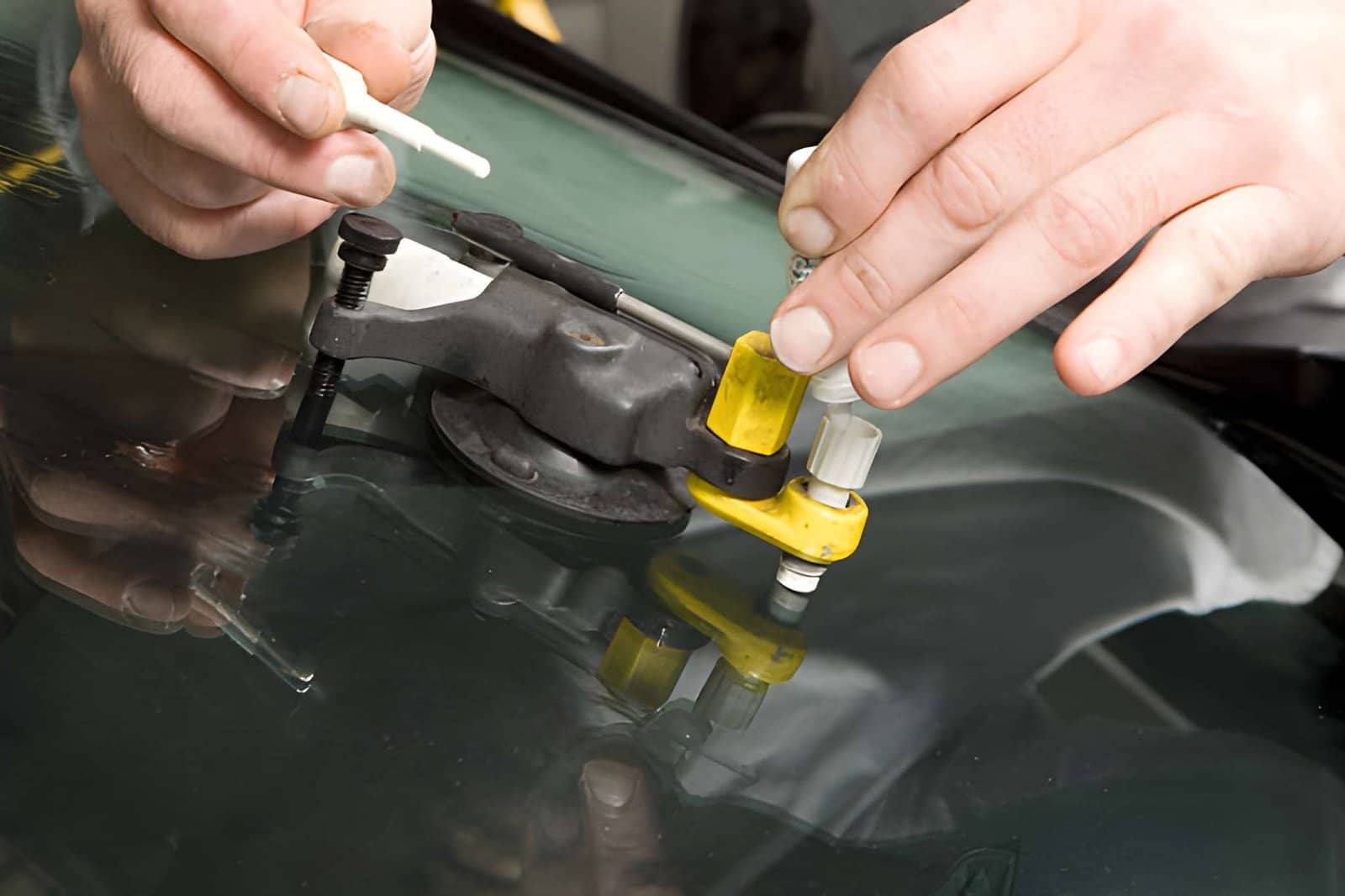
A technician can determine whether a chip or crack is suitable for repair and use appropriate equipment and materials to restore the affected area when possible.
For drivers who need auto glass repair in New Jersey, professional evaluation can also help determine whether repair is appropriate or whether replacement is necessary.
Conclusion
Windshield cracks and chips can result from road debris, temperature changes, driving conditions, accidents, and other factors. While drivers cannot eliminate every potential source of damage, practical maintenance and careful driving habits can help reduce avoidable risks.
Taking steps to prevent windshield damage and addressing chips or cracks promptly can help maintain clear visibility and protect the condition of the vehicle. When damage occurs, a professional inspection can determine whether a repair or replacement is the appropriate solution.
If a chip or crack is noticed, drivers can contact a qualified auto glass service for a professional inspection and appropriate recommendation. For reliable assistance, call (201) 697-9868 or (201) 233-5160 to schedule an appointment and have the windshield assessed by an experienced technician.
Frequently Asked Questions
Road debris, particularly small rocks and gravel thrown by other vehicles, is a common cause of windshield chips.
Yes. Temperature changes, road vibration, and additional impacts can contribute to the spread of existing damage.
Maintaining a safe following distance, avoiding loose debris, driving carefully through construction areas, preventing sudden temperature changes, and addressing existing damage promptly can help reduce the risk.
It is generally worth having a small chip professionally evaluated rather than ignoring it. A technician can determine whether it is suitable for repair.
Rapid temperature changes can place additional stress on glass, especially when it already has damage. Gradual heating and cooling can help reduce unnecessary thermal stress.