


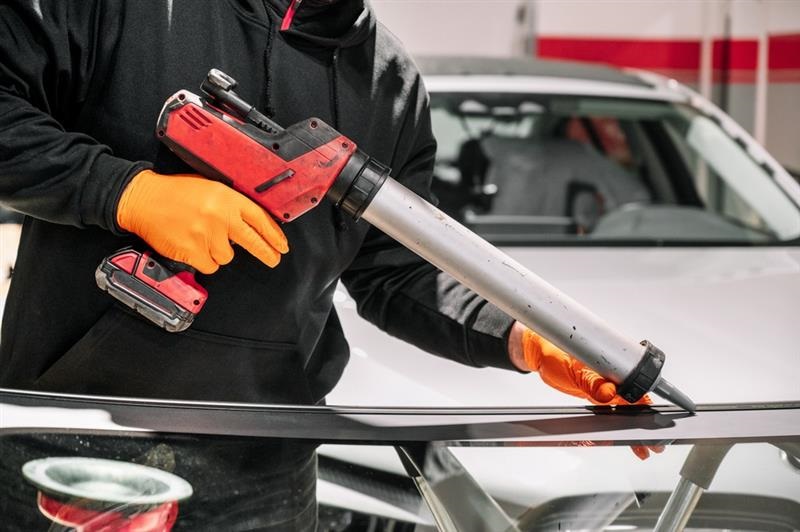
Your vehicle’s safety depends on many factors, and one of the most overlooked is auto glass repair. A small crack or chip in your windshield may seem minor, but it can compromise your visibility and the structural strength of your vehicle. Understanding when to seek auto glass repair and how it affects overall safety is crucial for every driver.
At Autoglass On Wheels, we believe every driver deserves to understand the profound role auto glass safety standards play in vehicle integrity. This is more than just a repair job; it’s a matter of structural stability, advanced vehicle function, and the safety of everyone inside.
This definitive guide explores windshield integrity, the importance of proper installation, and the key car window safety features you must understand to protect your passengers and yourself.
Top Signs You Need Auto Glass Repair
When you think of vehicle safety, steel frames and airbags usually come to mind—but your windshield plays an equally critical role. Modern auto glass is not just a filler; it is an active structural component of the vehicle.
1. How Auto Glass Repair Supports Overall Vehicle Structure
Your vehicle’s roof is only as strong as the pieces holding it up—and for most cars, the windshield provides up to 45% of the vehicle’s structural integrity in a frontal collision. In the event of a rollover accident, that figure can climb even higher, providing significant resistance to the roof caving in.
A compromised windshield—one that is chipped, cracked, or improperly installed—cannot bear this load. If the glass fails during an impact, the safety cage surrounding the occupants collapses far more easily, drastically increasing the risk of serious injury. This is why maintaining absolute windshield integrity is a non-negotiable part of vehicle glass maintenance.
2. Preventing Roof Crush With Professional Auto Glass Repair
Rollover accidents are among the most catastrophic. Here, the windshield’s bond to the vehicle frame is essential. It acts as a continuous, rigid brace. If the adhesive fails, or if a severe crack is present, the glass can pop out. When this happens, the vehicle structure loses a key stabilizing element, accelerating roof crush and significantly reducing the survival space within the cabin. Ensuring your auto glass is maintained to the highest auto glass safety standards is your first line of defense in such a scenario.
Beyond the Glass: Auto Glass and Modern Safety Systems
Modern automobiles are marvels of engineering, integrating complex electronic and mechanical safety systems. What many drivers don’t realize is how critically dependent these advanced systems are on the windshield.
3. Airbag Deployment: The Critical Reliance on the Windshield Bond
The passenger-side airbag system relies directly on the windshield to function correctly.
Upon deployment, the passenger airbag inflates at high speed and must strike a sturdy object to properly position itself and cushion the occupant. In many vehicles, the airbag is designed to rebound off the inner surface of the windshield.
If the windshield has a weakened bond due to a poor installation or has been structurally compromised by deep damage, the force of the deploying airbag can actually push the glass out of the frame. If the windshield pops out, the airbag loses its anchor point and trajectory, potentially making it ineffective, or worse, even more dangerous. This critical interaction is one of the most compelling arguments for insisting on the highest-quality materials and installation process.
4. Advanced Driver-Assistance Systems (ADAS) Calibration
Today’s vehicles are equipped with a suite of car window safety features that rely on cameras and sensors mounted directly behind or within the windshield. These Advanced Driver-Assistance Systems (ADAS) include:
- Lane Departure Warning (LDW)
- Automatic Emergency Braking (AEB)
- Adaptive Cruise Control (ACC)
- Traffic Sign Recognition
When a windshield is replaced, the camera must be removed and reinstalled. Even a slight misalignment (a fraction of a millimeter) can cause these systems to malfunction, rendering them inaccurate or ineffective. The process of realigning these sophisticated sensors is known as ADAS calibration, and it is a crucial, non-negotiable step following any windshield replacement to restore the vehicle’s original auto glass safety standards.
Warning Signs: Is Your Glass Compromising Your Safety?
The primary purpose of vehicle glass maintenance is to identify small issues before they become major structural or visibility hazards. Ignoring seemingly minor damage is the most common mistake drivers make.
5. Cracks and Chips: Not Just Cosmetic Damage
A small chip the size of a dime might seem inconsequential, but it is a structural weak point. Under normal driving conditions, the glass constantly endures stress from:
- Vehicle Flexing: The car body shifts and twists over uneven roads.
- Temperature Extremes: Rapid heating and cooling (like running the defroster in winter) cause the glass to expand and contract.
A chip acts as a stress riser, a concentration point for all these forces. What might start as a tiny chip can quickly spiderweb into a long crack, permanently compromising windshield integrity and necessitating a full replacement.
Further Reading on Damage: For a detailed examination of why some damage can be repaired and why some requires replacement—covering topics like stress cracks versus impact damage—it is essential to consult specialists in the field.
6. Vision and Optical Clarity: Distorted Views
Safety is fundamentally dependent on clear vision. A damaged windshield can impair visibility in several ways:
- Pitting: Over time, tiny particles of road debris can pit the glass. While individually microscopic, collectively they can create a hazy effect, especially when driving into low sun or oncoming headlights, leading to dangerous glare.
- Wiper Marks: Worn wiper blades can scratch the glass surface.
- Distortion in the Glass Itself: Low-quality glass or poor repair techniques can lead to optical distortions. These distortions cause the driver’s brain to work harder, leading to fatigue and a delayed reaction time, directly undermining car window safety features.
7. Improper Seals and Leaks
A windshield or window seal that is visibly failing or leaking water is a catastrophic sign that the structural bond has been compromised. A leak means the adhesive (urethane) has lost its integrity. If water can get in, the structural bond is weakened, which means the glass cannot perform its critical safety functions—such as supporting the roof and anchoring the airbag—during a collision. A compromised seal requires immediate attention from a professional auto glass repair service specialist. We offer comprehensive evaluations and solutions to ensure your vehicle is safe on the road.
The Core of Longevity: Quality Installation and Materials
Achieving and maintaining the highest auto glass safety standards is impossible without two things: premium materials and expert labor. The difference between a quick, cheap fix and a quality, reliable installation can mean the difference between life and death.
8. The Importance of OEM-Quality Glass
Auto glass is not all created equal. There are generally two types of glass available:
- OEM (Original Equipment Manufacturer) Glass: This glass is made to the exact specifications, thicknesses, tints, and acoustic properties of the glass originally installed in your car. It meets stringent federal auto glass safety standards and is guaranteed to restore your windshield integrity to its factory state.
- Aftermarket Glass: While some aftermarket glass is adequate, much of it can vary wildly in quality. Variations in thickness, curvature, and optical clarity can all impact structural stability, visibility, and the proper functionality of ADAS sensors.
When choosing a service, always inquire about the origin and quality of the materials used. Insisting on OEM or equivalent quality glass ensures your vehicle’s safety systems are not compromised.
9. Adhesives, Primer, and Safe Drive-Away Time
The sealant (urethane adhesive) is the most critical element of a windshield replacement. The glass is simply an insert; the adhesive is the structural bond.
- Primer: A crucial step that ensures the urethane bonds securely to both the glass and the vehicle frame (the pinchweld). Skipping or rushing this step leads to bond failure.
- Urethane Quality: Professional-grade urethane, often referred to as “cold-applied, high-modulus, non-conductive,” is the only material that can meet modern structural safety requirements.
- Safe Drive-Away Time (SDAT): This is the time required for the adhesive to cure enough to withstand the forces of a crash or airbag deployment. Rushing this time is exceedingly dangerous. A professional auto glass installers team understands that following the manufacturer’s SDAT guidelines (which can vary based on temperature, humidity, and adhesive type) is a fundamental part of the installation process.
When you trust your vehicle to certified auto glass installers, you are entrusting them with your safety. They must follow rigorous protocols to guarantee the bond is structurally sound before handing the keys back. For information on our precise and safe installation process, which adheres to all manufacturer requirements, please review our specialized installation services.
Further Reading on Installation: The installation process itself is a complex, multi-step procedure where precision is paramount, especially regarding structural integrity and airbag function. Understanding these steps is key to appreciating quality workmanship.
10. Technician Expertise: Certification and Training
The best materials are useless without expert hands. A quality automotive glass company near me invests heavily in ongoing training and industry certification for their technicians. Certification ensures that the team understands:
- The nuances of different vehicle makes and models.
- The proper removal techniques to avoid paint and frame damage.
- The specific ADAS calibration requirements for each vehicle.
- Adherence to federal auto glass safety standards (FMVSS).
When selecting an auto glass provider, always look for a company that demonstrates a clear commitment to professionalism and certified expertise.
Proactive Vehicle Glass Maintenance for Lifetime Safety
A quality repair or replacement is an investment in your safety, but the driver’s role in vehicle glass maintenance is ongoing. A proactive approach saves time, trouble, and—most importantly—reduces safety risks.
11. Regular Inspections and Prompt Attention
Make it a habit to check your auto glass weekly. Look for the following:
- Small Chips: If you find a chip (especially one the size of a quarter or smaller), address it immediately. Quick intervention with an auto glass repair service can stop a chip from spreading into a large, unrepairable crack.
- Wiper Blade Degradation: Replace worn wiper blades promptly. Streaks and smudges indicate that the rubber is deteriorating, which can cause poor visibility and slowly scratch the glass surface.
- Seal Integrity: Look for dried adhesive, gaps, or signs of rubber trim peeling away, especially near the pillars or the top of the windshield.
12. When to Choose Repair vs. Replacement
Knowing when a damaged windshield requires a complete replacement versus a simple repair is a fundamental decision guided by auto glass safety standards. Generally, damage is repairable if it meets these criteria:
- It is smaller than a dollar bill (or quarter, depending on vehicle specifics).
- It is not in the driver’s primary line of vision.
- It does not reach the edge of the windshield (where the structural bond begins).
Any damage that is large, directly in the driver’s line of sight, or compromises the structural edge of the glass necessitates a full replacement to restore full windshield integrity. To explore your options and find the right solution for your specific damage, you can consult our dedicated page on auto glass repair service.
13. Environmental Factors and Glass Health
Glass is subject to stress from the environment. Extreme temperature fluctuations, particularly, can turn a minor chip into a major crack overnight. For instance, using hot water to de-ice a frozen windshield can cause a massive thermal shock, resulting in a sudden, dramatic crack. Similarly, the relentless UV exposure and heat of summer can strain the glass bond and accelerate pitting.
Further Reading on Maintenance: The impact of external factors like extreme weather on auto glass health requires specific maintenance tips to ensure your glass remains resilient year-round.
Making the Right Choice: Finding a Trusted Partner
Ultimately, the best defense against compromised auto glass safety standards is choosing a provider who treats your vehicle with the reverence its safety features deserve.
Trust, certification, and a commitment to using the correct materials and installation processes are what define a true safety-focused auto glass specialist. At Autoglass On Wheels, we ensure every step—from precise prep work to post-installation ADAS calibration—is executed to the highest industry benchmarks.
We understand that when you need help, you’re looking for an expert you can count on. If you’re searching for an established automotive glass company near me that prioritizes your safety above all else, rest assured that our certified professionals are ready to restore your vehicle’s structural integrity and clear visibility.
Final Word on Auto Glass Safety
Your auto glass is a life-saving component. It is the foundation for your airbags, the shield that maintains the roof structure, and the window to your world. Maintaining its integrity and ensuring any necessary work is completed by certified auto glass installers using the highest quality materials is not a luxury—it is a mandatory responsibility of safe driving. Don’t wait for a chip to become a crisis; inspect your glass today, and drive with confidence knowing your vehicle’s full safety potential is intact.
Frequently Asked Questions
1. Why is my windshield important for vehicle safety?
It supports the vehicle’s structure, prevents roof collapse in rollovers, and ensures proper airbag deployment.
2. Can a small chip or crack really compromise safety?
Yes. Even tiny chips weaken the glass and can spread quickly, reducing structural strength and visibility.
3. Do I need ADAS calibration after a windshield replacement?
Yes. Advanced safety systems rely on cameras mounted to the windshield, and misalignment can cause malfunctions.
4. Is OEM glass better than aftermarket glass?
OEM glass matches factory specifications for thickness, clarity, and compatibility with safety systems, ensuring maximum protection.
5. How do I know whether to repair or replace a damaged windshield?
A repair is usually possible if damage is small, not in the driver’s line of sight, and not near the edges. Otherwise, replacement is necessary.