


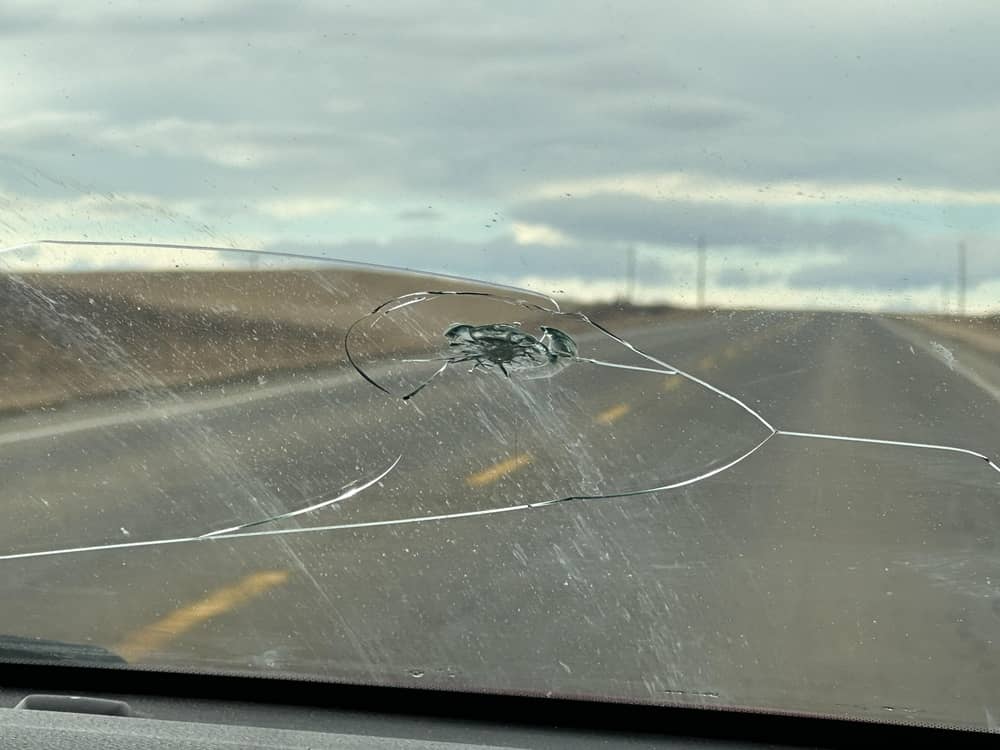
Your windshield does more than provide a clear view of the road. It contributes to vehicle safety, protects occupants from outside elements, and plays an important role in maintaining the structural integrity of the vehicle. Small chips, cracks, and other forms of glass damage can worsen when exposed to temperature changes, road vibrations, or additional impact. Regular attention can help identify problems before they become more expensive to address.
For drivers looking for Auto glass repair in Bayonne, NJ, understanding how to maintain windshield condition can help reduce the risk of avoidable damage. Simple habits such as inspecting the glass regularly, keeping it clean, and addressing minor chips promptly can support safer driving and potentially prevent a small issue from becoming a larger repair.
Why Windshield Maintenance Matters
Windshields face constant exposure to road debris, changing weather conditions, sunlight, and temperature fluctuations. Even a small stone impact can create a chip that gradually develops into a crack.
Routine attention can help drivers identify:
- Small chips and surface damage
- Developing cracks
- Damage around the windshield edges
- Scratches that affect visibility
- Problems with windshield wipers
- Signs of seal or molding deterioration
Early identification gives drivers an opportunity to have damage assessed before it progresses.
Inspect Your Windshield Regularly
A quick visual inspection can be part of your normal vehicle maintenance routine. Look across the windshield from different angles and check for damage that may not be immediately noticeable from the driver’s seat.
Pay particular attention after:
- Driving on highways
- Passing construction zones
- Severe weather
- Heavy rain or storms
- Gravel-road driving
- Any noticeable impact
If you notice a new chip or crack, avoid delaying professional assessment.
Follow Practical Windshield Maintenance Tips
Simple maintenance habits can help preserve windshield condition and visibility. Some useful Windshield Maintenance Tips include keeping the glass clean, replacing worn wiper blades, and avoiding sudden temperature changes whenever possible.
Drivers should also:
- Keep a safe following distance from trucks carrying loose materials.
- Replace damaged or worn windshield wipers.
- Use appropriate windshield washer fluid.
- Avoid placing excessive pressure on damaged glass.
- Have chips and cracks inspected promptly.
- Park in sheltered areas during severe weather when possible.
These steps don’t guarantee that windshield damage will never occur, but they can help reduce unnecessary stress on the glass.
Avoid Sudden Temperature Changes
Extreme temperature differences can place stress on automotive glass. For example, pouring very hot water over an icy windshield can cause rapid thermal expansion and potentially worsen existing damage.
During cold weather, use appropriate defrosting methods and allow the windshield to warm gradually. Similarly, parking in shade during extreme heat can help limit sudden temperature changes.
If the windshield already has a chip or crack, temperature fluctuations may make the existing damage more likely to spread.
Don’t Ignore Small Chips
A small chip may seem harmless, especially if it doesn’t immediately interfere with visibility. However, damage can spread due to vibration, temperature changes, road conditions, or additional impacts.
Prompt professional assessment can help determine whether the glass is suitable for repair or requires replacement.
The appropriate solution depends on factors such as:
- Size of the damage
- Location of the chip or crack
- Depth of the damage
- Whether the damage has spread
- Condition of the surrounding glass
Not every type of damage can be repaired, which is why professional evaluation is important.
Keep Wiper Blades in Good Condition
Windshield wipers directly contact the glass every time they operate. Worn blades can leave streaks, reduce visibility, and potentially drag dirt or damaged material across the windshield.
Replace wiper blades when you notice:
- Cracking or splitting
- Streaking
- Skipping
- Squeaking
- Uneven contact with the glass
Clean wiper blades and suitable washer fluid can help maintain clear visibility during rain and other poor-weather conditions.
Protect Your Windshield From Road Debris
Road debris is one of the most common causes of windshield chips. Maintaining adequate distance from large trucks and vehicles carrying loose materials can reduce the chance of being struck by stones or other debris.
When driving through construction areas or roads with loose gravel, slowing down and increasing following distance can provide additional protection.
These simple driving habits can help Prevent Windshield Damage and reduce the likelihood of unexpected glass repairs.
When Does a Windshield Need Professional Attention?
Some windshield problems require prompt professional evaluation rather than continued monitoring.
Consider contacting an auto glass professional if you notice:
- A crack that is getting longer
- Multiple chips
- Damage close to the windshield edge
- Damage directly in the driver’s line of sight
- Significant impact damage
- Visibility problems
- Signs that the windshield is separating from its seal
A professional can assess the damage and recommend repair or replacement based on the condition of the glass.
Conclusion
Windshield care is an important part of responsible vehicle maintenance. Regular inspections, careful driving, proper wiper maintenance, and prompt attention to chips or cracks can help protect your windshield and maintain clear visibility. When damage does occur, professional evaluation can help determine the safest and most appropriate solution.
For professional auto glass assistance in Bayonne, contact A Plus Auto Glass at (201) 697-9868 or (201) 233-5160 to discuss your windshield repair or replacement needs.
Frequently Asked Questions
A quick inspection every few weeks and after significant road impacts or severe weather can help identify new damage early.
Yes. Temperature changes, road vibrations, additional impacts, and existing stress can cause some chips to spread.
It's generally best to have new windshield damage assessed promptly. Early evaluation may provide more repair options than waiting until the damage expands.
Replacement may be necessary when damage is extensive, located in a critical area, affects visibility, reaches the edge, or cannot be safely repaired.