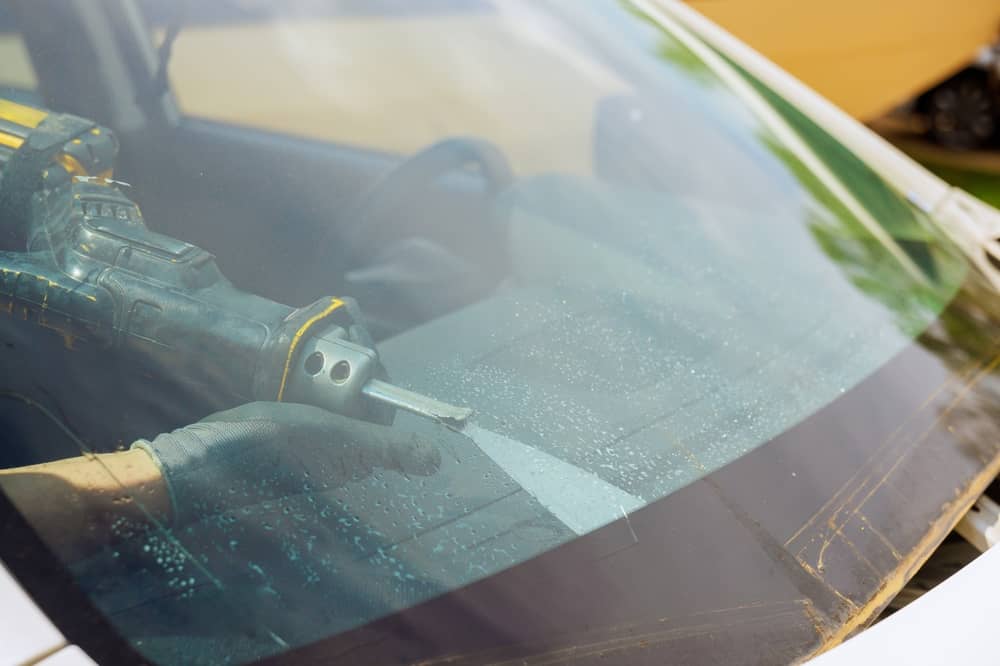
Your windshield plays a critical role in maintaining visibility and supporting your vehicle’s structural integrity. Everyday driving exposes auto glass to flying debris, changing weather conditions, and road hazards that can lead to chips and cracks. While some damage is unavoidable, adopting a few preventive habits can significantly reduce the risk and help extend the life of your windshield.
Whether you’re commuting daily or taking long road trips, scheduling an auto glass repair in New Jersey at the first sign of damage can help prevent minor chips from becoming larger cracks. Early attention not only improves safety but may also reduce the need for more extensive repairs.
Why Windshield Protection Matters
A well-maintained windshield helps:
- Maintain clear visibility while driving
- Support the vehicle’s structural strength
- Protect occupants from road debris
- Improve the effectiveness of safety features
- Reduce the likelihood of costly repairs
Simple maintenance habits can go a long way in preserving your auto glass.
Keep a Safe Distance from Other Vehicles
Driving too closely behind trucks or construction vehicles increases the risk of rocks and debris striking your windshield.
To reduce this risk:
- Maintain a safe following distance.
- Avoid driving directly behind gravel trucks.
- Change lanes when safe if debris is visible.
Giving yourself more space provides extra time to react and helps minimize the chance of windshield damage.
Repair Small Chips Promptly
Many drivers overlook minor chips because they seem insignificant. However, understanding why small windshield chips should be repaired is essential for preventing more serious damage. Small chips can quickly spread into larger cracks due to road vibrations, temperature changes, and everyday driving conditions.
Addressing minor damage early can help preserve the strength of the windshield and reduce repair costs.
Avoid Sudden Temperature Changes
Rapid changes in temperature place stress on automotive glass.
Helpful practices include:
- Avoid pouring hot water on an icy windshield.
- Gradually warm or cool the vehicle interior.
- Park in shaded areas during hot weather.
- Use windshield shades when possible.
Reducing thermal stress helps minimize crack expansion.
Replace Worn Windshield Wipers
Damaged or worn wiper blades can scratch the windshield over time.
Inspect your wipers regularly and replace them if you notice:
- Streaking
- Cracking
- Skipping
- Excessive wear
Clean wiper blades also help improve visibility during rain.
Park Carefully
Where you park can influence the condition of your windshield.
Whenever possible:
- Choose covered parking.
- Avoid parking beneath weak tree branches.
- Stay away from active construction areas.
- Protect your vehicle during severe weather.
These simple precautions reduce exposure to common sources of windshield damage.
Know When Replacement Is Necessary
While many chips can be repaired, larger cracks or extensive damage may require a full replacement. Reviewing a complete guide to windshield replacement can help drivers understand when repairs are no longer sufficient and why replacing the windshield is the safest solution.
Professional inspections can determine the most appropriate course of action based on the location and severity of the damage.
Preventive Care vs. Ignoring Windshield Damage
| Preventive Care | Ignoring Damage |
|---|---|
| Helps prevent crack expansion | Small chips may become large cracks |
| Maintains clear visibility | Reduced visibility while driving |
| Preserves windshield strength | Weakens structural integrity |
| Lower repair costs | Higher replacement costs |
| Supports safer driving | Increased safety risks |
Protect Your Windshield Before Minor Damage Becomes a Bigger Problem
Even small chips can quickly develop into larger cracks if left untreated. Taking preventive measures and addressing windshield damage early helps maintain your vehicle’s safety, visibility, and structural integrity.
If you need professional auto glass repair service in New Jersey, call (201) 697-9868 or (201) 233-5160 today to request a free quote and keep your vehicle safe on the road.
Frequently Asked Questions
Flying rocks, road debris, construction materials, and sudden impacts are among the most common causes of windshield chips.
Yes. Heat, cold weather, road vibrations, and daily driving can cause minor chips to spread over time.
Maintaining a safe following distance, avoiding sudden temperature changes, replacing worn wipers, and repairing chips early all help protect your windshield.
Replacement is often recommended when cracks are large, located near the edge of the windshield, or obstruct the driver's line of sight.
Yes. Regular inspections and prompt repairs help improve safety, extend windshield life, and reduce long-term repair costs.