


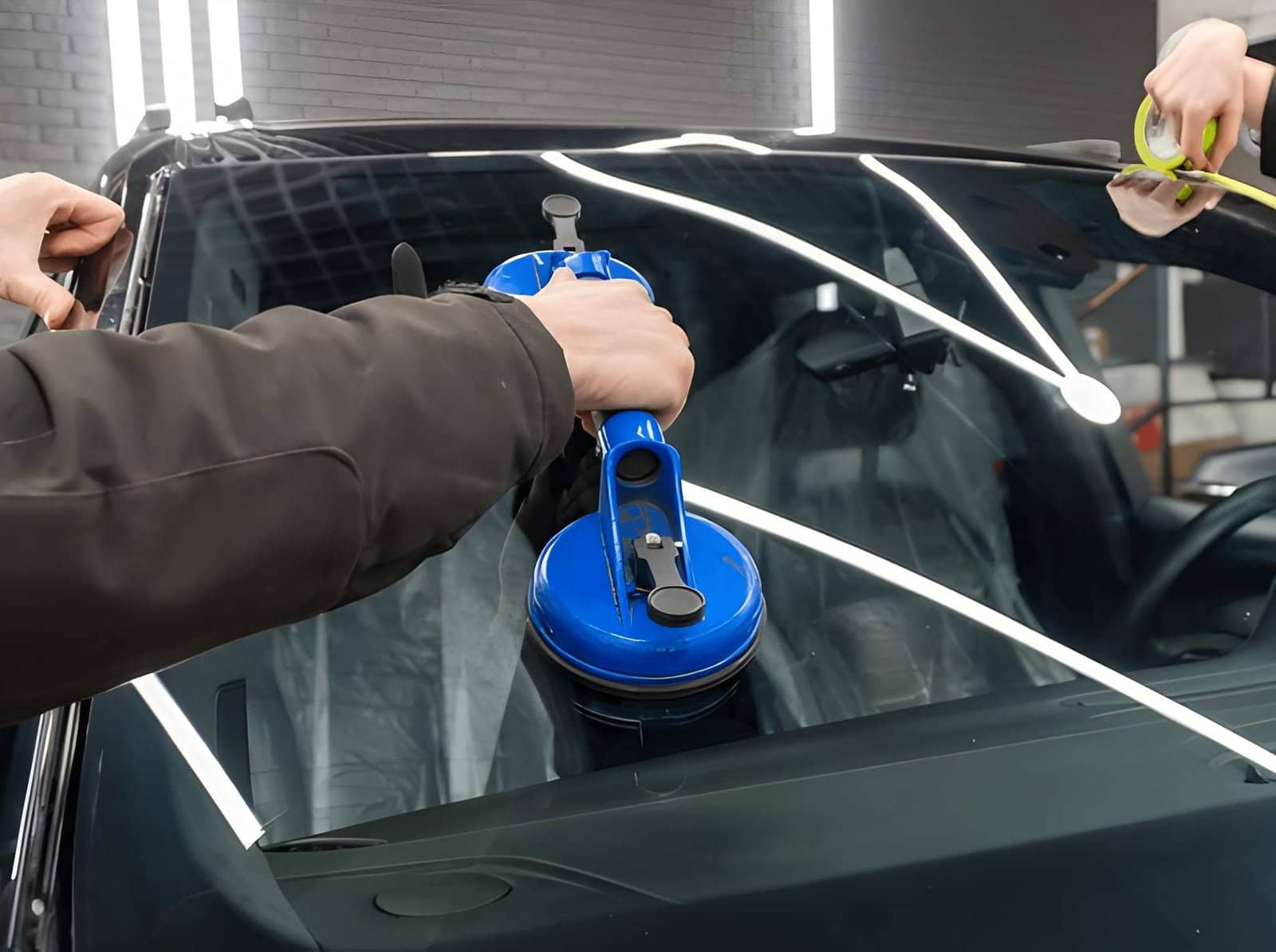
That crack in your windshield probably showed up at the worst possible moment – maybe a pebble kicked up on the Turnpike, or you woke up to a chip you didn’t notice before. Now you’re wondering: can this be fixed, or are you looking at a full replacement?
The answer isn’t always obvious. For New Jersey drivers navigating everything from brutal winters to highway construction zones, knowing the difference between a quick repair and a necessary auto glass replacement can save you real money and time. Here are the five factors that professionals use to make that call.
1. The Size and Depth of the Damage
This is usually the first thing a technician examines. As a general rule, chips smaller than a quarter and cracks shorter than three inches are candidates for repair. Once damage extends beyond that, the structural integrity of the glass becomes a concern that a resin fill simply can’t address.
Depth matters just as much as length. Your windshield is made of two layers of glass bonded by a plastic interlayer (PVB). If the damage has penetrated through both layers – or compromised the inner layer at all – repair is off the table. That kind of damage requires full auto glass replacement.
2. Where the Damage Is Located
Location on the windshield is often the deciding factor, even when size isn’t an issue.
- In your direct line of sight: Even a repaired chip can leave a slight distortion. Most technicians won’t repair damage in the driver’s primary sightline because it can impair visibility.
- Near the edges: Cracks within two inches of the windshield’s edge tend to spread fast and affect how the glass sits in the frame. These almost always warrant replacement.
- Over rain sensor or camera systems: Many modern vehicles have ADAS (Advanced Driver Assistance Systems) mounted near the windshield. Damage in those zones often needs specialized glass and recalibration after replacement.
3. The Type of Break
Not all windshield damage looks the same, and the pattern matters.
Damage Type
- Bullseye (circular chip)
- Star break (cracks radiating outward)
- Half-moon chip
- Long crack (3+ inches)
- Edge crack
- Combination break
Repair Possible?
- Usually yes
- Often yes, if small
- Usually yes
- Typically no
- Rarely
- Depends on size/location
A simple chip with no spiderweb cracking is the easiest case. Complex or multi-directional breaks are harder to stabilize with resin and more likely to need full replacement.
4. How Long the Damage Has Been There
Time is not your friend when it comes to auto glass damage. The longer a crack or chip sits unaddressed, the more dirt, moisture, and debris work their way in. Once contamination gets into a break, resin can’t bond properly – which means the repair won’t hold, and replacement becomes the only reliable fix.
If you’re in New Jersey during winter, this compounds quickly. Temperature swings between cold nights and heated interiors cause glass to expand and contract, pushing small chips into full-length cracks faster than most people expect.
Bottom line: Get damage assessed as quickly as possible. A $50 repair today can easily become a $300+ replacement if you wait.
5. The Overall Condition of the Windshield
Even if the damage itself looks minor, the rest of the windshield has to be taken into account. A windshield that’s already heavily pitted, scratched, or showing signs of delamination (that hazy, bubbled look at the edges) may not be worth repairing. At that point, a full auto glass replacement in NJ gives you better long-term value and improved safety.
Age and prior repairs also factor in. Most manufacturers recommend against more than one or two resin repairs on the same windshield, since the glass weakens with each procedure.
Related: factors affecting auto glass repair or replacement
Final Thoughts
Most windshield damage falls into a gray zone – fixable under the right conditions, but not always. The five factors above give you a solid framework for understanding what you’re dealing with before you call a technician.
When in doubt, get it looked at sooner rather than later. A small investment of time now almost always beats a larger one down the road.
If you’re in New Jersey and need an honest assessment of your windshield damage, A Plus Auto Glass offers mobile repair and replacement across the state -no shop visit required.
FAQ: Windshield Repair and Replacement in NJ
If the crack is under three inches, not in your sightline, and hasn't been contaminated by dirt or moisture, there's a good chance it's repairable. A professional inspection is the only way to know for sure.
New Jersey is not a zero-deductible state for glass claims, so coverage depends on your specific comprehensive policy. Many insurers cover auto glass repair or replacement after your deductible, and some offer glass-specific add-ons worth considering.
Most chip repairs take 30 minutes or less. A full windshield replacement typically takes one to two hours, plus one hour of cure time before driving is recommended.
A small chip away from your sightline may be technically drivable short-term, but it's a risk. In New Jersey, law enforcement can issue a fix-it citation for windshields that obstruct the driver's vision. More importantly, a compromised windshield reduces the structural protection your car provides in a collision.
Yes. Mobile auto glass repair and replacement is widely available across NJ, and many services come directly to your home or workplace - so you don't have to rearrange your day around a shop visit.