Small rock chips act like ticking clocks. A tiny impact today transforms into a full-length crack tomorrow. Windshields provide substantial structural integrity during collisions and rollovers. Ignoring a chip compromises the safety of every passenger inside the vehicle. New Jersey roads present constant hazards from construction debris and potholes. Drivers need to protect their glass before temperature changes force a total replacement. These essential auto glass safety tips for drivers stop minor damage from spreading across the laminate layers. We want motorists to stay safe on the Garden State Parkway and beyond. Proactive care maintains the factory seal.
1. Manage Thermal Expansion and Contraction
- Glass expands and contracts significantly during New Jersey’s temperature fluctuations throughout the changing seasons.
- Parking in direct sunlight on hot summer days creates intense stress points around existing chips.
- Rapid cooling from air conditioning units aimed at hot windshields triggers sudden and dangerous glass contraction.
- Using hot water to clear ice during winter mornings causes immediate and catastrophic glass failure.
- We recommend gradual temperature adjustments inside the cabin to preserve the overall stability of the glass.
- Parking in a garage or shaded area reduces the risk of thermal-induced crack growth.
- Defrosting vents require a low setting to warm the glass slowly during freezing NJ winters.
- Maintaining a consistent internal temperature prevents the glass from shifting around the impact point.
2. Minimize Mechanical Pressure and Vibrations
- Slamming car doors creates a sudden, sharp change in internal air pressure inside the vehicle cabin.
- This pressure spike forces the edges of a chip to expand outward across the windshield surface.
- New Jersey potholes transmit intense vibrations directly through the vehicle frame to the damaged glass.
- Driving over speed bumps at high speeds creates unnecessary stress on the laminated safety glass.
- Avoiding unpaved roads prevents additional debris from hitting the already weakened and damaged area.
- Careful driving habits protect the structural bond of the windshield and prevent further spiderweb cracking.
- Closing the trunk or hood with excessive force sends jarring energy through the car’s structural pillars.
- Mounting heavy dash cameras or accessories near a chip increases the mechanical load on the glass.
3. Prevent Contamination of the Impact Zone
- Dirt and road salt enter the fracture and weaken the inner plastic laminate layer over time.
- Windshield washer fluid contains specific chemicals interfering with the professional repair resin bonding process.
- Moisture trapped inside a chip expands when it freezes, forcing the glass layers further apart.
- Covering the damage with a small piece of clear tape keeps out rain and road debris.
- A clean impact point ensures an expert auto glass repair service in NJ achieves maximum clarity.
- Contamination often makes a chip unrepairable, eventually requiring a more expensive and complex full replacement.
- Avoid using high-pressure car washes until a technician inspects and seals the damaged glass area.
- Wiping the exterior glass with a dry cloth prevents dust from settling deep into the impact pit.
4. Maintain Safe Following Distances on Highways
- High-speed travel on the New Jersey Turnpike increases the kinetic force of road debris impacts.
- Following construction trucks or gravel haulers too closely invites second impacts to the windshield.
- A three-second gap allows rocks to drop to the pavement before reaching your vehicle’s glass.
- Second hits near an existing chip cause immediate spiderweb cracking across the entire glass surface.
- Changing lanes away from heavy equipment reduces the likelihood of sustained glass damage from flying stones.
- Distance provides the reaction time necessary to avoid flying road hazards and falling cargo debris.
- Merging carefully behind other vehicles prevents tires from kicking up loose gravel into your line of sight.
- Observing essential auto glass safety tips for drivers includes awareness of vehicles with missing mudflaps.
5. Schedule Immediate Professional Intervention
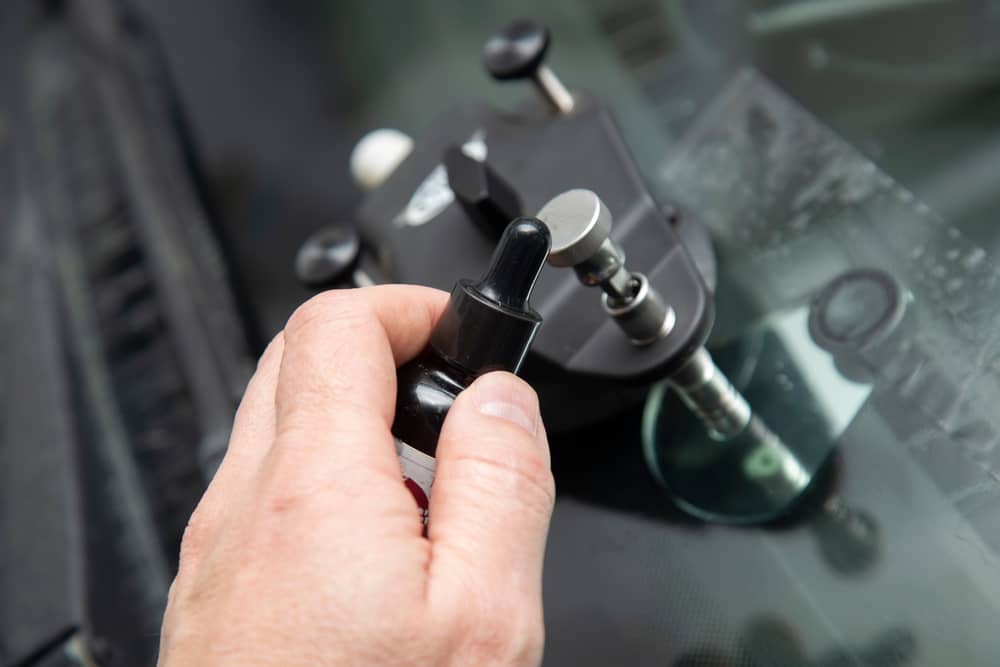
- Prompt resin injection restores the damaged windshield’s structural strength and optical clarity.
- Most small chips remain repairable if treated within the first twenty-four to forty-eight hours of impact.
- DIY kits lack the vacuum pressure required to remove air from the fracture before resin application.
- An expert auto glass repair service in NJ utilizes high-quality resins for durable and lasting results.
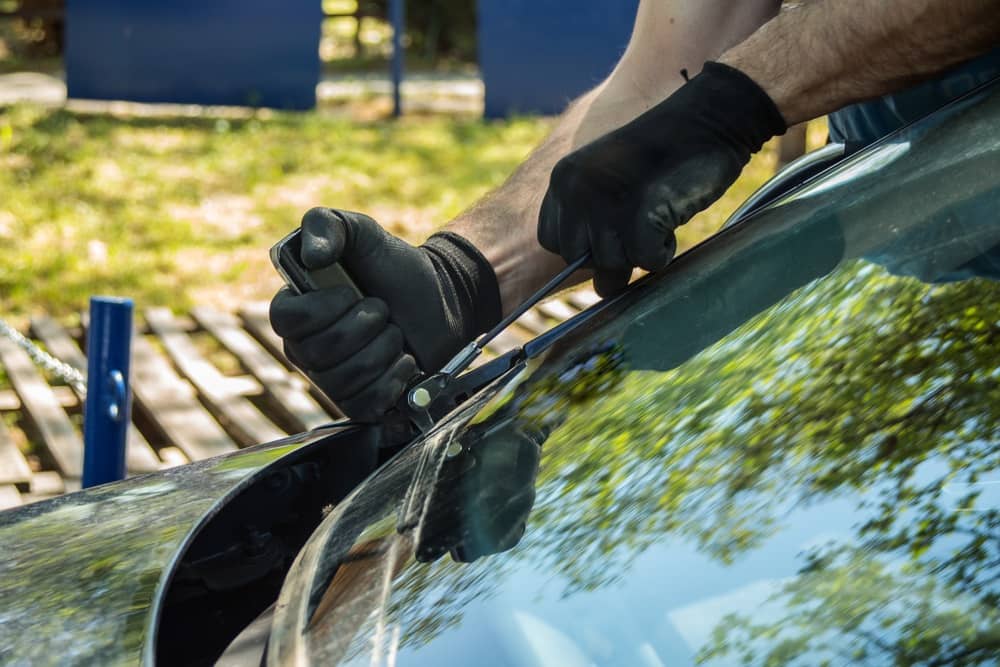
- Mobile technicians perform the repair at your home or office in less than thirty minutes.
- Insurance companies often waive the deductible for professional chip repairs to prevent total glass replacement.
- Certified technicians verify the integrity of the safety glass and any attached driver assistance cameras.
- Timely repairs prevent moisture from reaching the vinyl interlayer and causing permanent glass clouding or delamination.
Call Auto Glass on Wheels for On-Site Assistance
Auto Glass on Wheels prioritizes your safety on every New Jersey road. We bring our mobile workshop directly to your location in Bergen, Hudson, or Morris County. Our technicians utilize the latest tools to restore your windshield to its factory specifications. We manage your insurance claim to provide a hassle-free experience for our customers. Your visibility remains our top concern during every service call. Do not wait for a small chip to become a major safety risk. Feel free to call our auto glass repair service team in NJ at (201) 697-9868 or email us at aplusautoglassandcalibrations@gmail.com to book your appointment. Experience the convenience of NJ’s premier auto glass repair service.